Main themes
Five connected lines of research.
01
Geometry & Visual Perception
Recovering 3-D structure and surface geometry from a single image —
inferring local surface orientation from the way regular
textures distort under perspective, estimating pose,
and recovering surface normals using spectral (Fourier) methods.
Representative publications
- E. Ribeiro, E. R. Hancock. “Shape from Periodic Texture Using the Eigenvectors of Local Affine Distortion.” IEEE TPAMI, 2002.
- E. Ribeiro, E. R. Hancock. “Estimating the Perspective Pose of Texture Planes Using Spectral Analysis on the Unit Sphere.” Pattern Recognition, 2002.
- E. Ribeiro, E. R. Hancock. “Adapting Spectral Scale for Shape from Texture.” ECCV, 2000.
- E. Ribeiro, F. Sartori, E. R. Hancock. “An Evidence Combining Approach to Shape-from-Shading.” ICPR, 2002.
02
Temporal Understanding of Visual Data
Making sense of motion in video — tracking objects through occlusion,
recognizing human actions, and modeling how a person interacts with
objects over time. When someone handles an object, their motion is
constrained by that object’s shape and affordance — a cue for
actor–object interaction recognition.
Representative publications
- R. Filipovych, E. Ribeiro. “Recognizing Primitive Interactions by Exploring Actor-Object States.” IEEE CVPR, 2008.
- R. Filipovych, E. Ribeiro. “Robust Sequence Alignment for Actor-Object Interaction Recognition: Discovering Actor-Object States.” Computer Vision and Image Understanding, 2011.
- R. Filipovych, E. Ribeiro. “Learning Human Motion Models from Unsegmented Videos.” IEEE CVPR, 2008.
- D. Kular, E. Ribeiro. “Analyzing Activities in Videos Using Latent Dirichlet Allocation and Granger Causality.” ISVC, 2015.
- I. Bogun, E. Ribeiro. “Object-Aware Tracking.” ICPR, 2016.
03
Recognition & Classification in Complex Domains
Bringing recognition methods to challenging scientific data —
identifying pollen grains in optical microscopy,
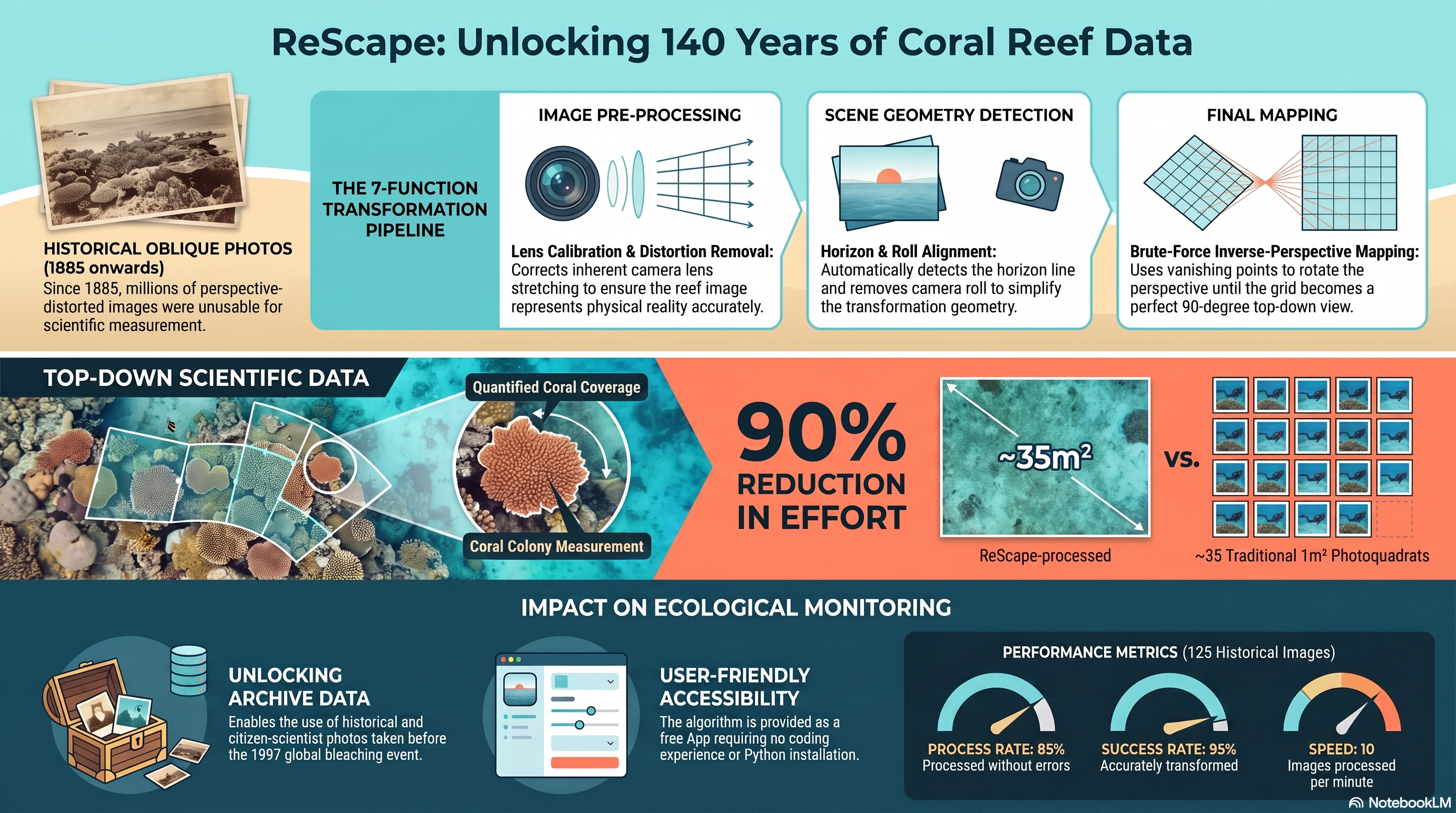
classifying coral-reef textures, and recognizing
frog (anuran) calls from audio spectrograms for
biodiversity monitoring.
Representative publications
- J. Strout, B. Rogan, S. M. M. Seyednezhad, M. Bush, E. Ribeiro. “Anuran Call Classification with Deep Learning.” IEEE ICASSP, 2017.
- A. Daood, E. Ribeiro, M. Bush. “Pollen Grain Recognition Using Deep Learning.” ISVC, 2016.
- R. Filipovych, A. Daood, E. Ribeiro, M. Bush. “Pollen Recognition in Optical Microscopy by Matching Multifocal Image Sequences.” ICPR, 2016.
- Z. Ferris, E. Ribeiro, T. Nagata, R. van Woesik. “ReScape: Transforming Coral-Reefscape Images for Quantitative Analysis.” Scientific Reports, 2024.
- A. Mehta, E. Ribeiro, J. Gilner, R. van Woesik. “Coral Reef Texture Classification Using Support Vector Machines.” VISAPP, 2007.
04
Learning Representations for Complex Signals
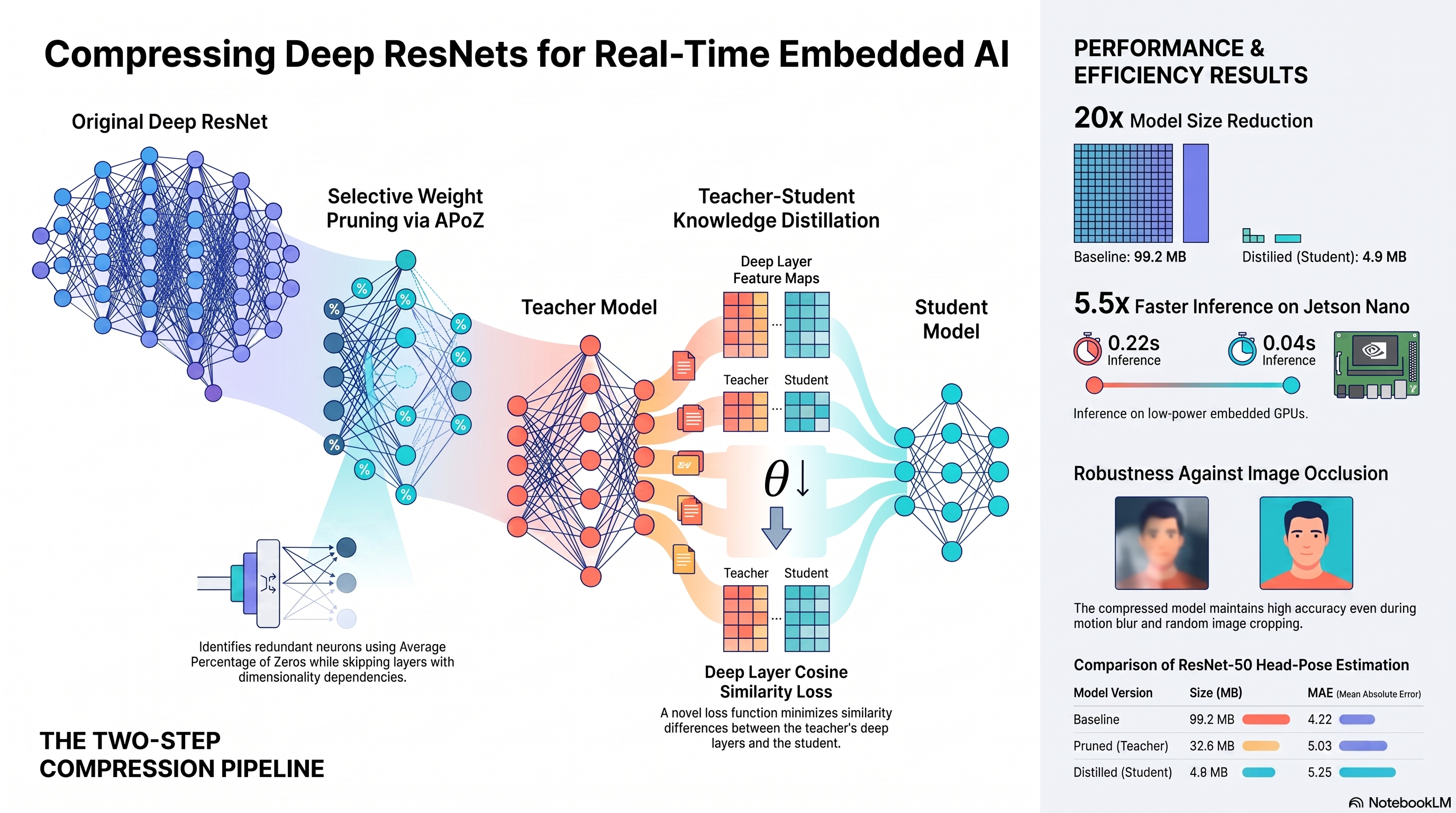
Designing and compressing deep models — learning compact, efficient
representations through weight pruning and
knowledge distillation, and combining information
across multiple modalities.
Representative publications
- N. Aghli, E. Ribeiro. “Combining Weight Pruning and Knowledge Distillation for CNN Compression.” IEEE/CVF CVPR Workshops, 2021.
- N. Aghli, E. Ribeiro. “A Data-Driven Approach to Improve 3D Head-Pose Estimation.” ISVC, 2021.
- L. Scabini, L. Ribas, E. Ribeiro, O. Bruno. “Deep Topological Embedding with Convolutional Neural Networks for Complex Network Classification.” NetSci-X, 2022.
05
Complex Systems & Network Analysis
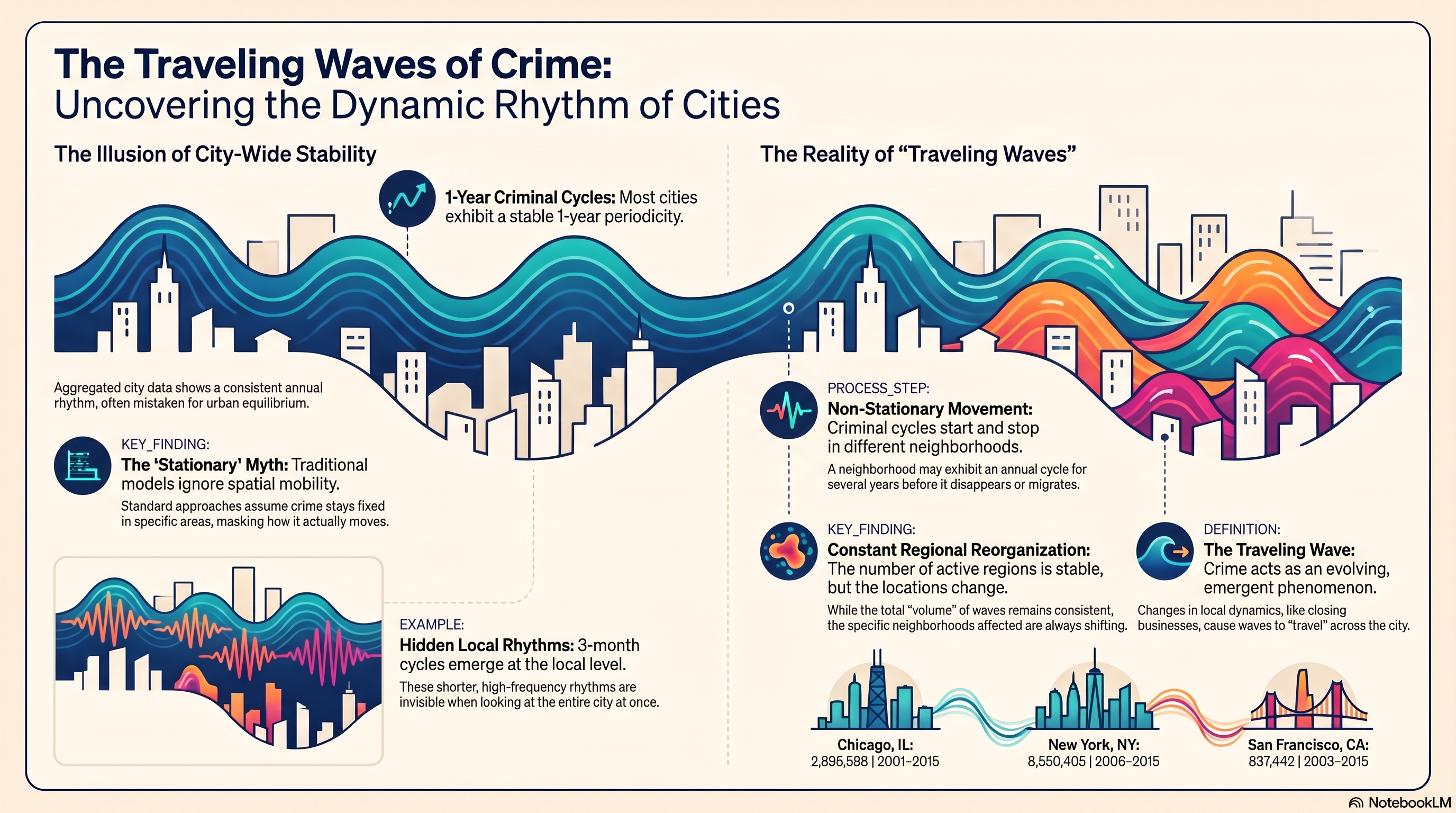
Discovering patterns in networked and social data — the temporal
rhythms and travelling waves of urban crime,
characterization of social-media communities, political influence in
multi-party systems, and culture networks.
Representative publications
- M. Oliveira, E. Ribeiro, C. Bastos-Filho, R. Menezes. “Spatio-temporal Variations in the Urban Rhythm: The Travelling Waves of Crime.” EPJ Data Science, 2018.
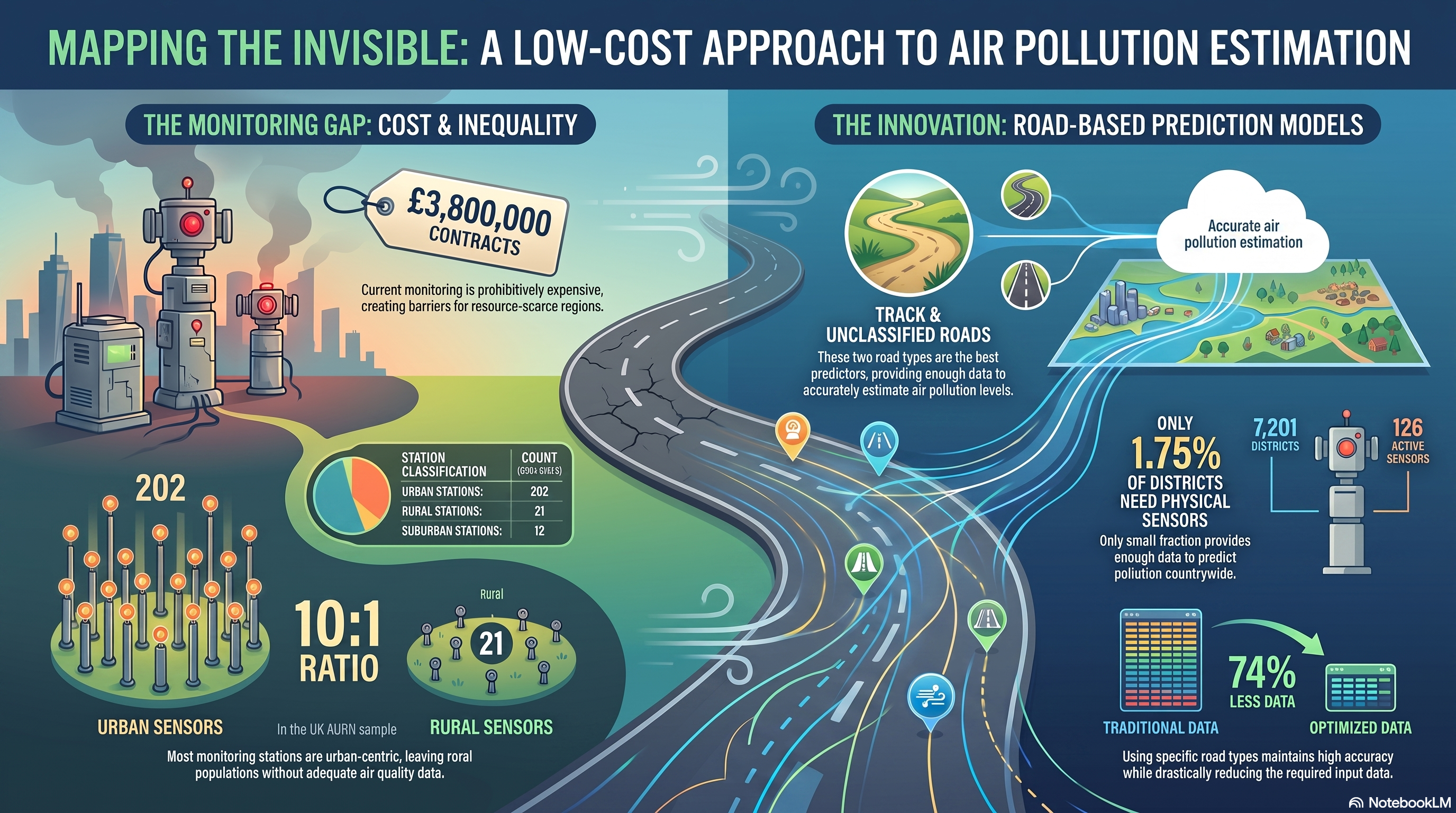
- L. Berrisford, E. Ribeiro, R. Menezes. “Estimating Annual Ambient Air Pollution Using Structural Properties of Road Networks.” Environment and Planning B, 2024.
- J. Faustino, H. Barbosa, E. Ribeiro, R. Menezes. “A Data-Driven Network Approach for Characterization of Political Parties’ Ideology Dynamics.” Applied Network Science, 2019.
- D. K. Kular, R. Menezes, E. Ribeiro. “Using Network Analysis to Understand the Relation Between Cuisine and Culture.” IEEE Network Science Workshop, 2011.